
Sleep in Early Recovery: What to Expect and What Helps
Why sleep often gets worse after you stop drinking or using, how long it lasts, habits that help, and when to ask about CBT-I, with Wisconsin data.
Angela Robinson
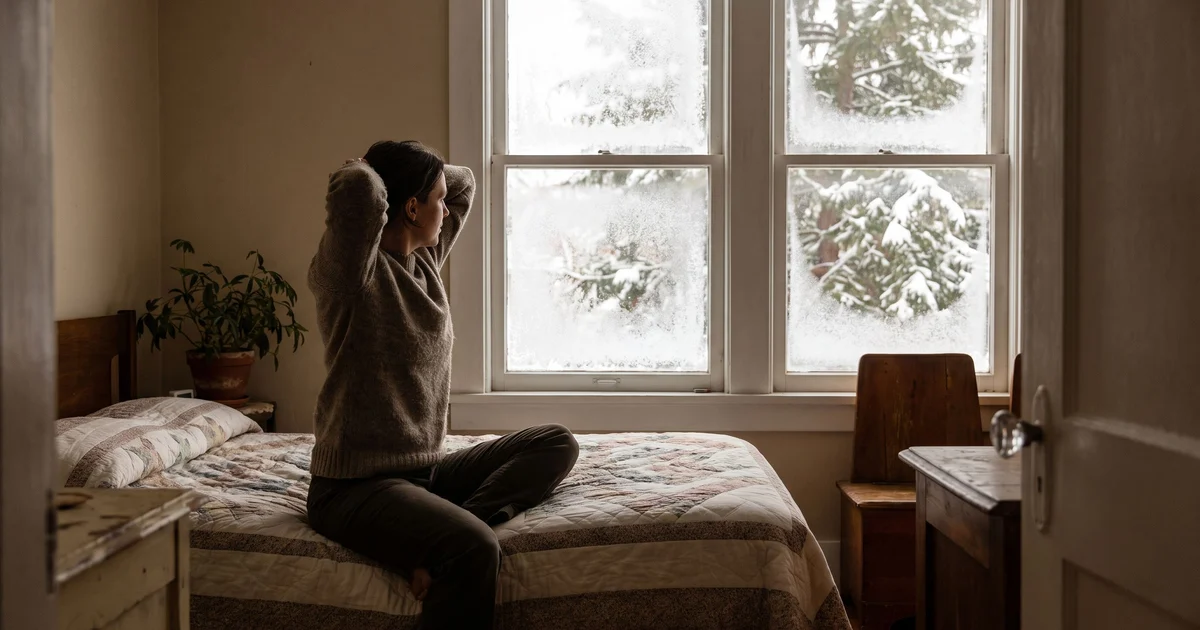
Poor sleep is one of the most common problems in early recovery, and for most people it improves with time, steady habits and, when needed, a proven talk therapy for insomnia. Many people stop drinking or using and then lie awake for nights or weeks. That is frustrating, but it is not a sign that recovery is failing.
This guide explains why sleep gets harder after you stop, how long it tends to last, what you can do tonight, and when to ask for professional help. It is general information, not medical advice. If you are thinking about harming yourself, call or text 988. For treatment referrals at any hour, call SAMHSA at 1-800-662-4357.
Why is sleep so hard after you stop drinking or using?
Alcohol and many drugs change how the brain controls sleep. When they leave the body, sleep often gets worse before it gets better. The gap is large for alcohol. A review in the Medical Clinics of North America found that insomnia affects 36 to 91 percent of people with alcohol use disorder, compared with about 10 percent of the general population.1
The same review notes that insomnia tends to ease once a person moves from active drinking to abstinence. Other substances follow their own pattern. For cannabis, the review reports that sleep difficulty typically lasts 2 to 3 weeks before returning to normal, although vivid dreams may last longer.1
Sleep trouble is common well beyond recovery, too. In CDC data for 2022, 33.9 percent of Wisconsin adults (age-adjusted) reported insufficient sleep.2 So if you are short on rest, you are far from alone.
What habits help you sleep better in recovery?
Small, boring routines work better than big changes. The National Heart, Lung, and Blood Institute advises people to go to sleep and wake up around the same time each day, even on weekends, and to avoid caffeine, nicotine and alcohol close to bedtime.3 It also warns that while alcohol can help you fall asleep, it tends to make sleep lighter than normal.
| Common habit | Why it backfires | Try instead |
|---|---|---|
| Sleeping in after a bad night | Shifts your body clock later | Get up at the same time every day |
| Coffee or energy drinks in the afternoon | Caffeine can keep you awake hours later | Switch to water or decaf after lunch |
| Lying in bed awake for hours | Teaches your brain that bed is for worrying | Get up, do something calm in dim light, return when sleepy |
| Hard workout right before bed | Can make it harder to fall asleep | Move earlier in the day, such as a walk after work |
| Phone or TV in bed | Keeps your mind busy | A short wind-down routine with screens off |
Daytime movement helps many people, and some programs build it into treatment through exercise therapy. Calming practices such as breathing exercises and meditation and mindfulness can make the wind-down hour easier.

What is CBT-I, and when should you ask about it?
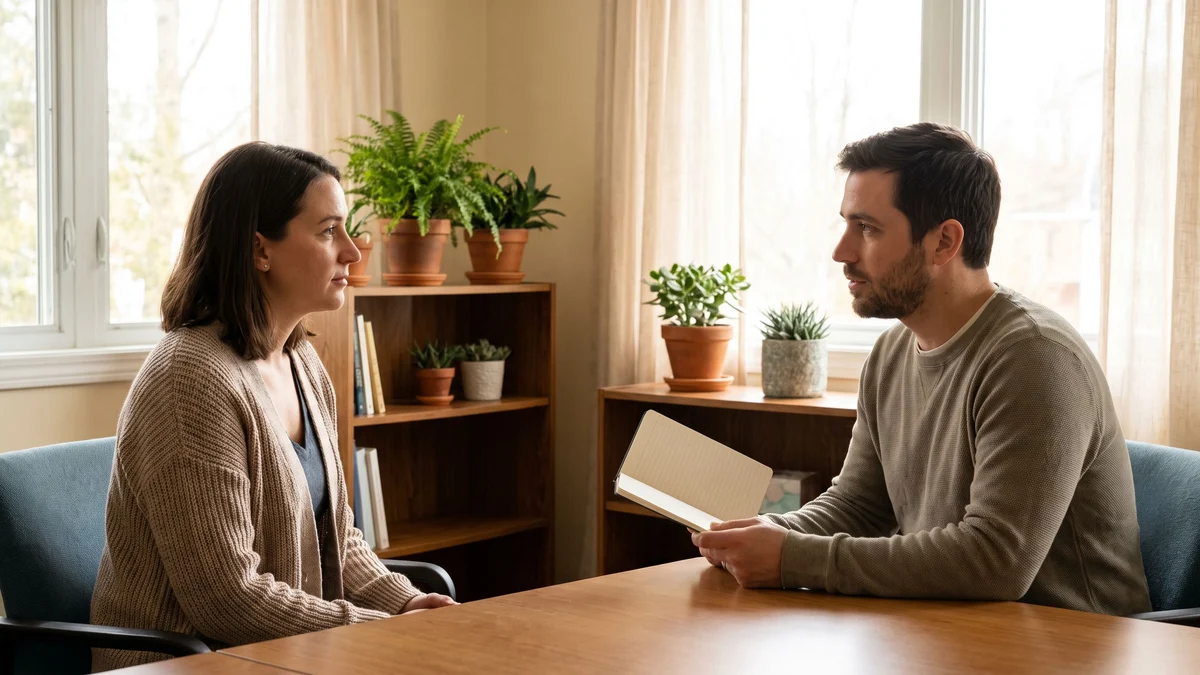
If sleep problems last for weeks, ask about Cognitive Behavioral Therapy for Insomnia, or CBT-I. It is a short, structured talk therapy, not a pill. NHLBI describes it as a 6- to 8-week plan to help you fall asleep faster and stay asleep longer, and notes that it can be done in person, by phone or online.3
For people with alcohol use disorder, CBT-I is the preferred approach. The Medical Clinics review states that CBT-I is the recommended first-line treatment for insomnia, and that a person whose insomnia continues despite abstinence should be referred to a sleep medicine clinic.1 You can look for programs that offer CBT-I, or providers that treat sleep problems alongside substance use.
What about sleep medication in Wisconsin?
Some sleep and anxiety medicines can be habit forming, which matters a great deal in recovery. NHLBI cautions that certain prescription sleep medicines should be taken for only a few weeks. Tell every prescriber about your recovery so they can choose carefully.
Wisconsin tracks these prescriptions through its Enhanced Prescription Drug Monitoring Program, which prescribers check before writing for monitored drugs. Its 2024 fourth-quarter report found that yearly dispensing of benzodiazepines fell 6.3 percent from 2023 to 2024 and 34.6 percent since 2017, and that dispensing of the sleep drug zolpidem also fell.4 That reflects a wider shift toward non-drug options such as CBT-I first.
How do you keep sleep on track after treatment?
Sleep habits are easiest to build while you still have support around you. Ask your treatment team to include sleep goals in your discharge plan, and bring it up at follow-up visits. Ongoing aftercare support gives you a place to talk about nights that are still hard. Our guide to what happens after rehab covers the other pieces of that plan. Most of all, be patient: for many people, sleep keeps improving month by month in recovery.
Frequently asked questions
Sources
- Chakravorty et al., Alcohol Dependence and Its Relationship With Insomnia and Other Sleep Disorders, Medical Clinics of North America, 2018
- CDC, FastStats: Sleep in Adults, insufficient sleep by state, 2022
- National Heart, Lung, and Blood Institute, Insomnia: Treatment
- Wisconsin ePDMP, 2024 Q4 Controlled Substances Board Report