
What Happens After Rehab in Wisconsin: Aftercare and Next Steps
A plain guide to the months after treatment in Wisconsin: continuing care, recovery residences, peer support and how to prepare before discharge.
Angela Robinson
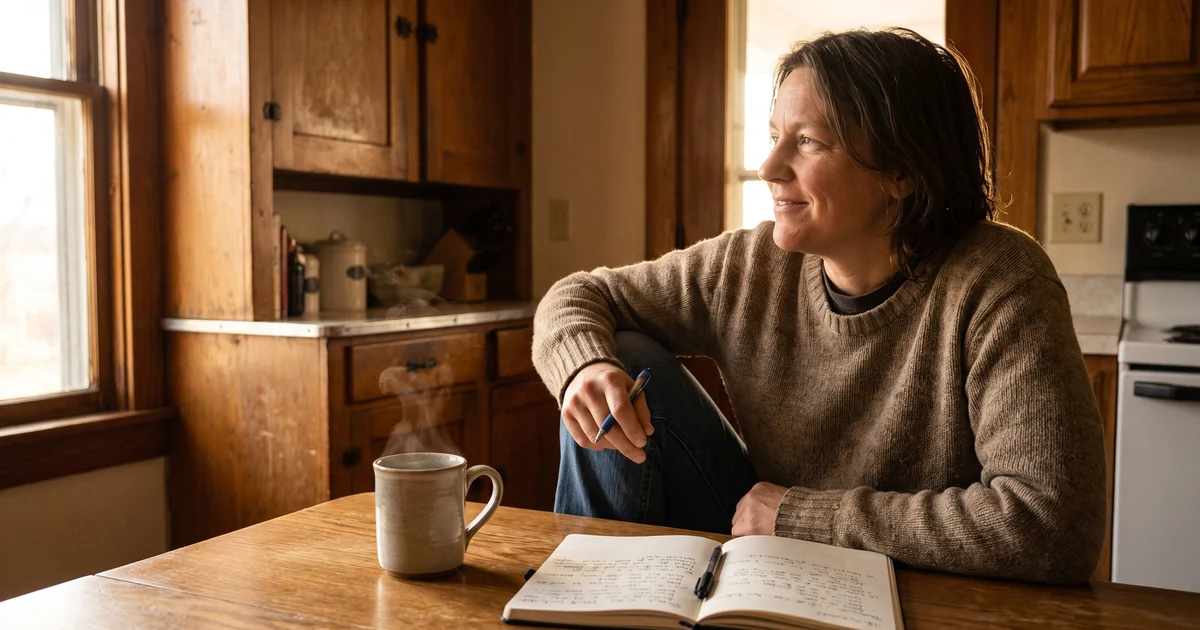
What happens after rehab in Wisconsin is a step-down, not a finish line: most people move into continuing care such as outpatient counseling, peer support and a stable place to live, and the first months matter most. Leaving a program is a milestone, and it is also the point where a plan for ordinary life has to take over.
This guide explains what the weeks after treatment usually involve, what Wisconsin offers for housing and peer support, and how to prepare before discharge so you are not building a plan on your last day.
Is relapse a sign that treatment failed?
No. The National Institute on Drug Abuse reports that relapse rates for drug use are similar to rates for other chronic medical illnesses.1 It also says that people with a substance use disorder may require long-term or multiple episodes of treatment to achieve long-term recovery.2
That is a reason to plan, not a reason to worry. If a return to use happens, it is a signal to contact your care team and adjust the plan, much as you would after a flare of any chronic condition.
How long should support continue after the main program ends?
A peer-reviewed review of the continuing care model concludes that the overarching objective is to sustain the gains from the primary phase in an effort to prevent relapse, and that continuing care should extend for a minimum of 3 to 6 months.3 The same review says care over a longer period, up to 12 months, appears essential if a reasonable expectation of robust recovery is desired.3
In practice, that often means stepping down from residential or intensive treatment to weekly outpatient counseling, then to less frequent visits. You can browse outpatient programs and aftercare support in the directory to see what is available near you.

What does a good aftercare plan include?
Ask your program to write the plan down before discharge. The table below lists the pieces worth asking about.
| Piece of the plan | What to ask for |
|---|---|
| Ongoing counseling | A first outpatient appointment already booked before you leave |
| Medication | A prescriber and a refill plan if medication is part of your care |
| Peer support | A recovery coach, mutual-help group or recovery center you can reach quickly |
| Housing | A stable, substance-free place to live, such as a recovery residence |
| Warning signs | A short list of triggers and who to call when they appear |
| Work, school and family | A plan for the first weeks back, including any needed paperwork |
The National Institute on Drug Abuse adds a useful rule of thumb: a treatment and services plan must be assessed continually and modified as necessary to meet changing needs.4 Your plan at month three should not look exactly like your plan at discharge.
Where can you live after treatment in Wisconsin?
If home is not a safe or supportive place, a recovery residence can bridge the gap. The Wisconsin Department of Health Services describes recovery residences as home-like, residential environments that promote healthy recovery from a substance use disorder and support people through peer recovery support.5 The department keeps a registry of recovery residences that have registered with its Division of Quality Assurance, so you can check a residence against it before you commit.
Ask any residence about its house rules, how it handles a return to use, what it costs each month, and whether it welcomes people who take prescribed medication for addiction. Our sober living listings are a good place to start comparing.

What is a recovery coach, and is it covered?
Wisconsin’s substance use standards describe a recovery coach as someone who works with and supports people receiving substance use services and may be included in the treatment plan to assist with engagement in treatment services or recovery systems.6 A recovery coach is not clinical staff, so this is a support role that sits alongside counseling rather than replacing it.
Wisconsin also regulates peer recovery support under Wis. Admin. Code ch. DHS 72, and the department states that peer recovery support services provided by peer recovery coaches under the standards in that chapter are covered by Wisconsin Medicaid.7 If you have other insurance, ask your plan directly, and use our insurance verification listings if you want help checking benefits.
How do you get ready before discharge?
A few steps in the last week of a program make the first month easier:
- Confirm the date and time of your first outpatient appointment and how you will get there.
- Collect prescriptions, a list of contacts and a copy of your written plan.
- Tell one or two trusted people what the plan is and how they can help.
- Decide where you will sleep, what you will eat and how you will spend the first free weekend.
If you are ready to take the next step, use the directory to compare options, call the SAMHSA National Helpline at 1-800-662-4357 for free, confidential referral information, or call or text 988 if you or someone you love is in crisis.
Frequently asked questions
Sources
- Relapse rates for drug use are similar to rates for other chronic medical illnesses.
- Individuals with substance use disorder may require long-term or multiple episodes of treatment to achieve long-term recovery.
- Generally speaking, it appears that the duration of continuing care should extend for a minimum of 3 to 6 months.
- An individual’s treatment and services plan must be assessed continually and modified as necessary to ensure that it meets his or her changing needs.
- Recovery residences are home-like, residential environments that promote healthy recovery from a substance use disorder and support people recovering from a substance use disorder through the use of peer recovery support.
- A recovery coach means an individual that works with and supports individuals receiving substance use services and may be included in the treatment plan to assist with engagement in treatment services or recovery systems, or both.
- Peer recovery support services provided by peer recovery coaches under the standards listed in Wis. Admin Code ch. DHS 72, subch. II, are covered by Wisconsin Medicaid.