
Exercise in Recovery: How Physical Activity Helps You Stay Well
What research shows about exercise and addiction recovery, how much activity to aim for, how to start safely, and how to stay active through a Wisconsin winter.
Angela Robinson

Regular exercise can support recovery from a substance use disorder: research links it to higher abstinence rates, easier withdrawal and less anxiety and depression, and it gives you a healthy way to fill time, handle stress and ride out cravings. It is not a replacement for treatment, but it works well alongside counseling, medication and peer support.
This guide covers what the research shows, how much activity to aim for, how to start safely, and how to keep moving through a Wisconsin winter. It is general information, not medical advice. If you are thinking about harming yourself, call or text 988. For free treatment referrals at any hour, call SAMHSA at 1-800-662-4357.
Does exercise really help people in recovery?
The evidence is encouraging. A 2014 meta-analysis in PLoS ONE pooled 22 randomized controlled trials of physical exercise for people with substance use disorders. The authors found that exercise raised the abstinence rate, eased withdrawal symptoms and reduced anxiety and depression, and they concluded that aerobic and mind-body exercise can be an effective add-on to treatment.1 The same review is honest about its limits: some short trials found no benefit, such as a 3-week aerobic and strength program that did not raise abstinence among people with alcohol problems. Exercise helps most as one part of a full plan.
Why would moving your body help? People in early recovery often deal with restlessness, poor sleep, low mood and long empty evenings. A walk, a workout or a class gives structure to the day, a break from stress and a sense of progress you can measure. Many treatment providers build exercise therapy into their schedules for exactly these reasons, and it pairs well with skills from relapse prevention therapy.
How much exercise should you aim for?
You do not need to train like an athlete. The CDC says adults need at least 150 minutes of moderate-intensity physical activity a week, such as 30 minutes a day, 5 days a week, plus 2 days of muscle-strengthening activity. Brisk walking counts as moderate activity.2 If that feels like a lot right now, start smaller and build up. Ten minutes a day is a real start.
| Type of activity | Examples | How it can help in recovery |
|---|---|---|
| Moderate aerobic | Brisk walking, easy cycling, swimming | Burns off restless energy and gives a daily routine |
| Muscle strengthening | Body-weight moves, resistance bands, weights | Builds a sense of progress you can track week to week |
| Mind-body | Yoga, tai chi, stretching | Pairs movement with breathing that calms stress |
| Group or team | Walking groups, fitness classes, rec leagues | Adds sober company and accountability |
If you have a heart condition, liver disease, an injury or you are still in withdrawal, talk with your doctor or care team before you start something new.
Is yoga a good choice in recovery?
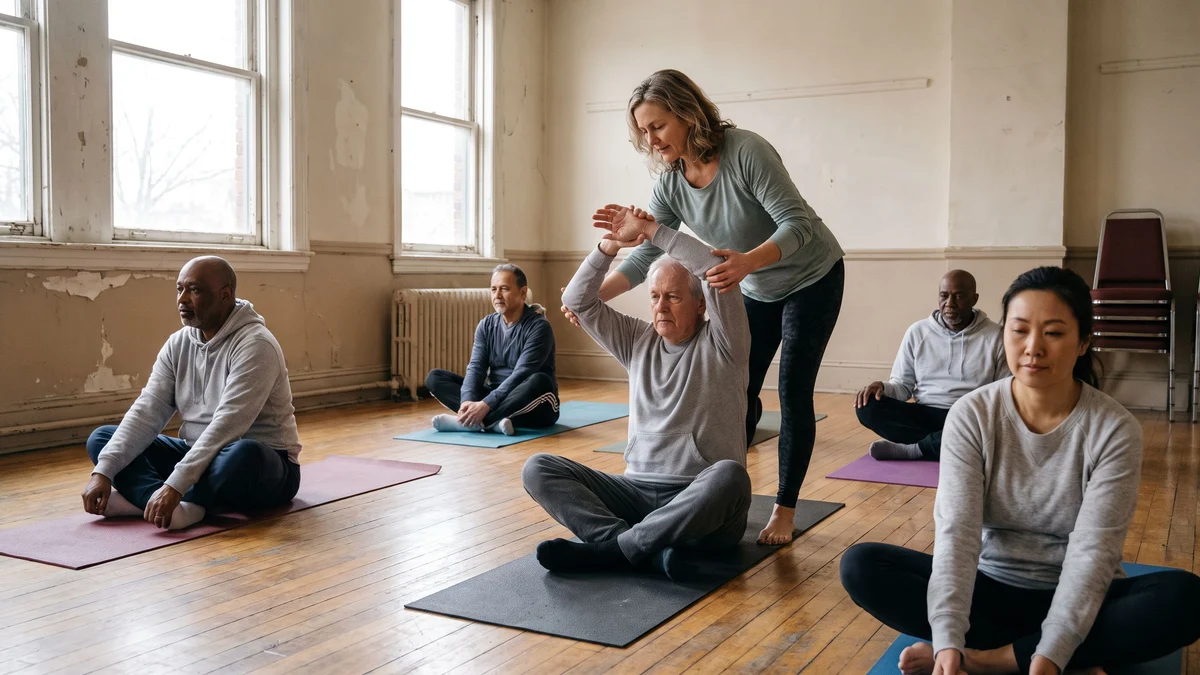
Yoga combines movement, breathing and focus, and some research points to benefits for cravings. The National Center for Complementary and Integrative Health describes a 2019 study with 227 participants in which people who added yoga to a smoking-cessation counseling program were 37 percent more likely to have quit by the end of the 8-week program, although the difference had disappeared 6 months after treatment.3 NCCIH also reports a 2020 study that found fewer cigarette cravings after a single yoga session.
Safety matters too. NCCIH says yoga is generally safe for healthy people when performed properly under a qualified instructor, that the most common injuries are sprains and strains, and that hot yoga carries risks of overheating and dehydration. Beginners should skip extreme poses at first. If yoga appeals to you, look for programs that offer yoga therapy as part of care.
How can you stay active through a Wisconsin winter?
Cold, dark months are a common time for routines to slip. Plan indoor options before the first snow: a community center or YMCA, mall walking, a home workout with bands, or a class with a friend. When the weather allows, getting outside helps too. Wisconsin is home to the Ice Age National Scenic Trail, which the National Park Service says spans 1,200 miles across some of the state's finest glacial features and is maintained largely by volunteers.4 Short sections of it, and many local and state park trails, make an easy weekend walk in any season with the right boots and layers.
Tie activity to the rest of your recovery. A walk after a support meeting, a morning stretch before work or a weekly hike with a sober friend turns exercise into part of your routine instead of one more chore. Movement also tends to help with rest, and our guide to sleep in early recovery covers that connection.

Can exercise become a problem?
For most people, more activity is a healthy change. A small number of people swap one compulsion for another and start exercising in a way that feels out of control. Warning signs include working out through injury or illness, skipping work or family time to exercise, or feeling intense guilt or anxiety on rest days. Exercise that is tied to strict eating or weight control can also signal an eating disorder. If that sounds familiar, tell your counselor, and see our page on compulsive exercise.
Exercise also does not treat low mood on its own. If sadness, hopelessness or loss of interest last for weeks, ask about care for depression. After formal treatment ends, ongoing aftercare support can help you keep healthy habits, including physical activity, in place.