
What Recovery Looks Like: Stages and Milestones Over Time
What the stages of recovery from a substance use disorder tend to look like, which milestones are worth noticing, how common recovery is and what support Wisconsin offers along the way.
Angela Robinson
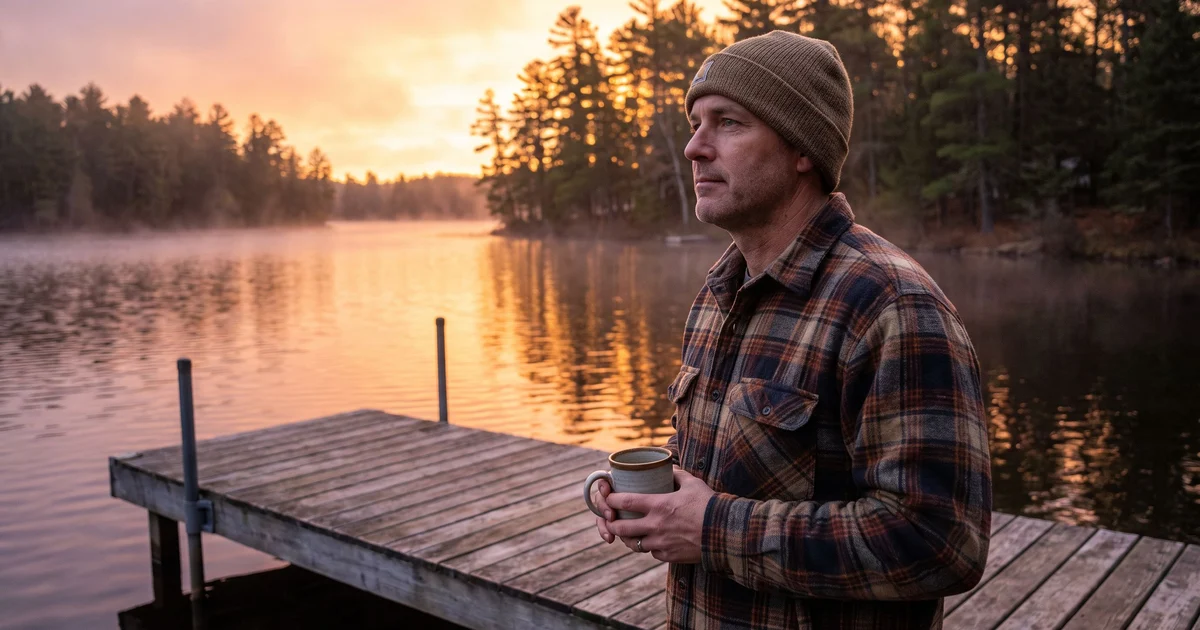
Recovery from a substance use disorder usually unfolds in stages over months and years: a first stretch focused on safety and stability, a longer period of rebuilding health, relationships and routines, and a later phase where recovery becomes part of everyday life rather than its center. There is no single timeline, and a setback does not erase progress. What the research shows is that recovery is common, that people take many different paths, and that steady support over time makes a real difference.
This article walks through what each stage tends to look like, which milestones are worth noticing, and what support Wisconsin offers along the way. It is general information, not medical advice, and it does not describe any one person. If you are in crisis, call or text 988. For free, confidential treatment referrals at any hour, call the SAMHSA National Helpline at 1-800-662-4357.
What does recovery actually mean?
The Substance Abuse and Mental Health Services Administration (SAMHSA) describes recovery as holistic: it addresses the whole person and their community, and it is supported by peers, friends and family members. SAMHSA also names four major dimensions that support a life in recovery: health, home, purpose and community.1
That framing matters because it widens the picture. Not using alcohol or drugs is part of the health dimension, but recovery also means a stable and safe place to live, meaningful daily activities such as work, school, volunteering or caring for family, and relationships that offer support, friendship, love and hope.1
| Dimension | What it covers | An early milestone might be |
|---|---|---|
| Health | Managing symptoms and making healthy choices | Keeping medical and counseling appointments |
| Home | A stable and safe place to live | Settling into housing that supports staying well |
| Purpose | Work, school, volunteering, family care or creative activity | Building a daily routine with structure |
| Community | Supportive relationships and social networks | Finding one or two people to call on hard days |
Planning for each of these areas usually starts before treatment ends. Our aftercare programs page lists providers that help people map out that next stretch.
How common is recovery, and how do people get there?
Recovery is more common than many people assume. A nationally representative survey published in 2017 found that 9.1 percent of US adults said they used to have a problem with drugs or alcohol but no longer do. Of that group, 46 percent described themselves as being in recovery, which shows that people describe the same experience in different words.2
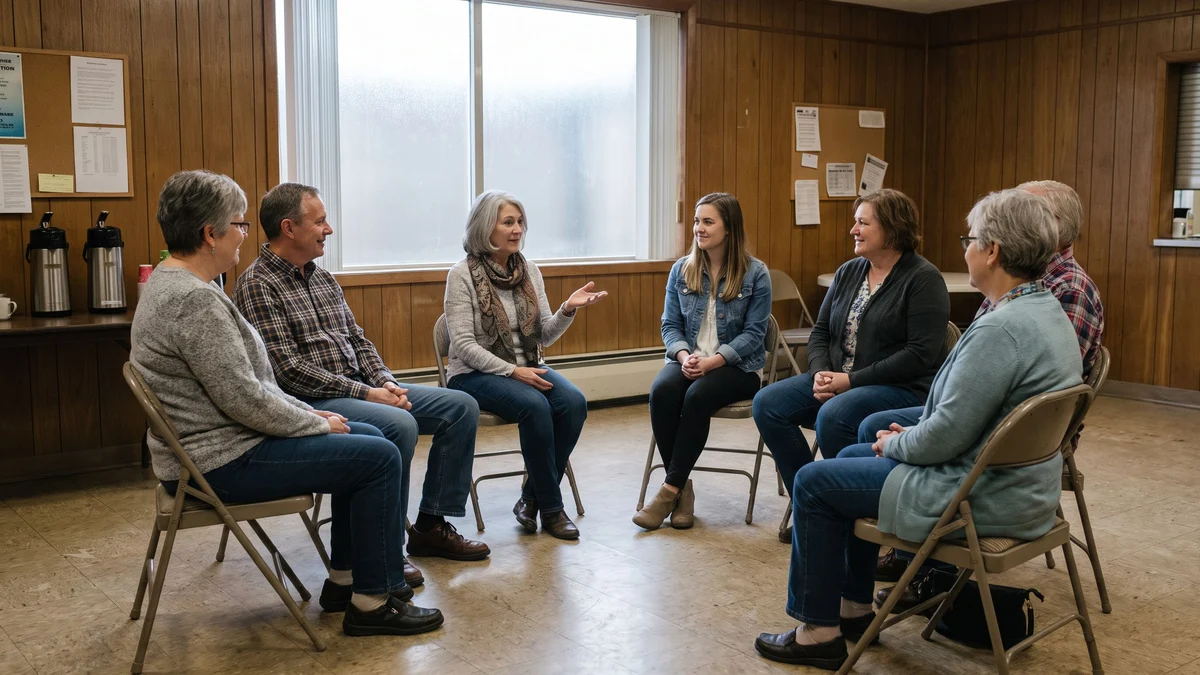
The same study found that people took many routes. Just over half, 53.9 percent, used some kind of assisted pathway. Mutual-help groups were the most common support at 45.1 percent, followed by formal treatment at 27.6 percent and recovery support services at 21.8 percent.2 In other words, treatment is one doorway among several, and many people combine more than one.
If you want support from someone who has lived through it, our pages on peer support services and peer-led recovery communities are good places to start.
What do the first months of recovery look like?
The first weeks are often about the basics: getting through withdrawal safely, sleeping and eating regularly, and learning to handle cravings and stress without using. Many people move from a more intensive level of care to a lighter one, such as outpatient counseling, during this time.
Research on continuing care suggests this period deserves more time than people expect. A 2014 review concluded that continuing care should generally last a minimum of 3 to 6 months, and that continuing care over a period of up to 12 months appears essential for a reasonable expectation of robust recovery.3 The same review noted that people who stayed in residential or outpatient treatment for 3 months or more had better outcomes at follow-up than those who left sooner.3
| Stage | Common focus | Support that often helps |
|---|---|---|
| First weeks | Safety, withdrawal, sleep and daily structure | Medical care, counseling, a clear plan for the first days home |
| First few months | Coping skills, triggers, rebuilding trust | Outpatient or intensive outpatient care, mutual-help or peer groups |
| Rest of the first year | Work or school, relationships, health | Continuing care check-ins, recovery housing, a sober social circle |
| Beyond the first year | Recovery as part of everyday life | Ongoing connection, alumni groups, giving back to others |
Stepping down gradually is common. Our intensive outpatient programs page explains one of the most used next steps after residential care.
What happens if there is a setback?
Setbacks are part of many recovery stories, and they are not proof that treatment failed. The National Institute on Drug Abuse (NIDA) explains that relapse rates for drug use are similar to rates for other chronic medical illnesses, and that a return to use signals that a person needs to speak with their doctor to resume treatment, modify it or try another approach.4
That is why many recovery plans include a written relapse prevention plan: a list of warning signs, the people to call, and what to do in the first hours after a slip. Our relapse prevention therapy page lists providers that teach these skills, and our guide to getting back on track after a slip covers the practical steps.
What recovery support does Wisconsin offer?
Wisconsin has built two kinds of support that matter most after formal treatment ends. The first is peer support. The Wisconsin Department of Health Services (DHS) has offered a certified peer specialist credential since 2010 for people with lived experience of mental health and substance use challenges who are trained to support others finding a path to recovery.5
The second is recovery housing. DHS describes recovery residences as home-like residential environments that promote healthy recovery and support residents through peer recovery support, and the Division of Quality Assurance keeps a registry of residences that have registered with the state.6 Asking whether a home is on that registry is a sensible first question.
You can compare options on our sober living homes page. People who have finished a program can also look at alumni programs, which keep graduates connected to each other.

Which milestones are worth celebrating?
Recovery milestones are not only about counting days. Many people mark progress in each of the four areas SAMHSA describes. Examples include:
- Finishing a level of care and starting the next one
- Getting through a holiday, anniversary or hard season with a plan
- Returning to work or school, or starting volunteer work
- Repairing a relationship or rebuilding trust with family
- Managing a physical or mental health condition well
- Becoming a source of support for someone newer to recovery
Building friendships that do not revolve around alcohol or drugs is one of the most protective steps a person can take. Our page on building a sober social network lists providers that help, and our guide to what happens after rehab covers the first weeks home in more detail.
Wherever you are in the process, help is available. Call or text 988 in a crisis, or call the SAMHSA National Helpline at 1-800-662-4357 for free, confidential referrals at any hour.
Frequently asked questions
Sources
- SAMHSA, About Recovery
- Kelly JF, et al. Prevalence and pathways of recovery from drug and alcohol problems in the United States population. Drug and Alcohol Dependence, 2017
- Proctor SL, Herschman PL. The Continuing Care Model of Substance Use Treatment: What Works, and When Is Enough, Enough? Psychiatry Journal, 2014
- NIDA, Drugs, Brains, and Behavior: Treatment and Recovery
- Wisconsin DHS, Peer Specialists
- Wisconsin DHS, Recovery Residence Registry