
After a Slip in Recovery: A Wisconsin Plan for Getting Back on Track
A slip does not mean treatment failed. Learn what to do in the first 24 hours, how to stay safe, and which Wisconsin supports can help you get back on track.
Angela Robinson
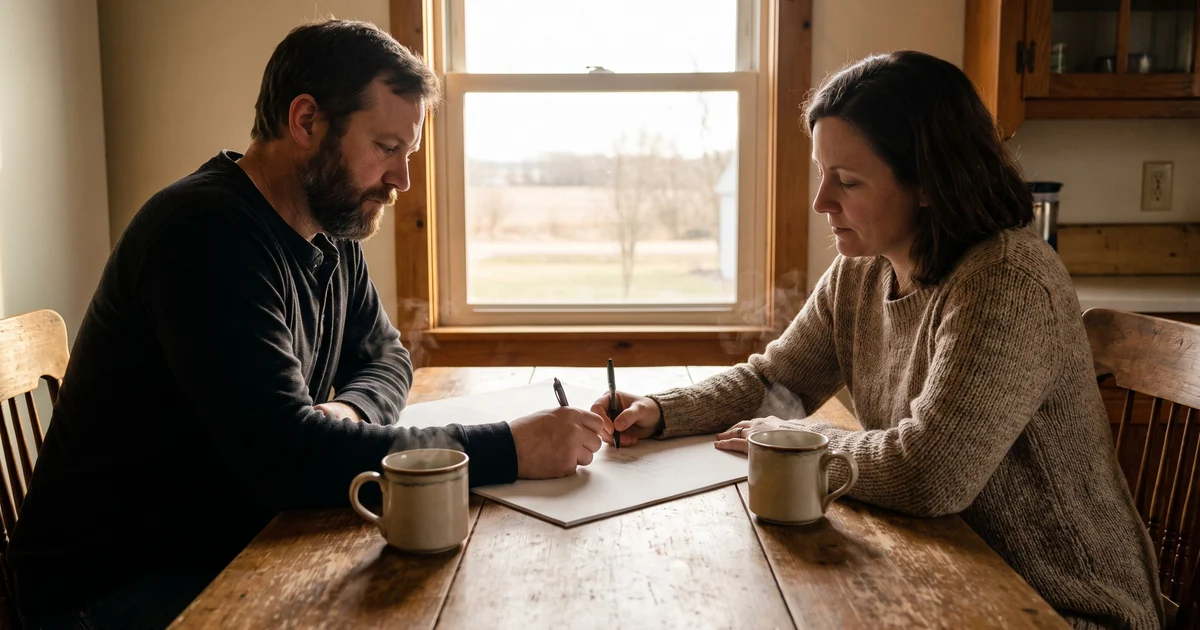
A slip after rehab does not mean treatment failed, and the best next step is to act quickly: reach out to someone, return to your recovery supports and make a short plan for the next 24 hours. Many people in Wisconsin and across the country go back to use at some point on the way to lasting recovery. Shame is the biggest obstacle to getting help, so this guide focuses on what to do instead.
It covers how experts view a return to use, a step-by-step response, how to stay safe, and where Wisconsin supports fit. It is general information, not medical advice. If you are in crisis, call or text 988, or call SAMHSA at 1-800-662-4357 any time.
Does a return to use mean treatment has failed?
No. The National Institute on Drug Abuse explains that treating a chronic disease involves changing deeply rooted behaviors, and that relapse does not mean treatment has failed.1 The federal treatment guidance known as TIP 35 goes further and says a return to substance use after a period of abstinence does not mean a person has failed or is no longer in recovery.2
The same guidance notes that over time many people have longer stretches between episodes of use, and the episodes themselves grow shorter and less severe.2 NIDA also describes temporary returns to use after abstinence as part of many recovery journeys.3
A slip is a signal that your plan needs adjusting. It is not a verdict on you.
What should you do in the first 24 hours?
Federal guidance describes several relapse management steps that work well as a checklist.2 In plain language:
- Stop and get safe. Move away from the people, place or supply that put you at risk, and do not use more to cope with how you feel.
- Tell one person. A sponsor, counselor, family member or peer support person can help you avoid isolating.
- Renew your commitment. Remember what you have already done, however small it seems.
- Look back without blame. Ask what happened in the days before: stress, loneliness, skipped meetings, a conflict, poor sleep.
- Write a short plan. Include names, phone numbers, meeting times and your next appointment.
The TIP 35 guidance suggests putting the plan on paper or an index card, and including a sponsor or support person, a meeting time, ways to manage cravings, and a call to your treatment program to schedule a session.2
How can you stay safe after a slip?
Safety comes first, especially with opioids. After a period without use, tolerance can drop, so a former usual amount can be more dangerous. The Wisconsin Department of Health Services says naloxone can reverse an overdose caused by opioids such as fentanyl, heroin or prescription pain medications, and that it quickly restores breathing.4
The state also reports that naloxone is available in Wisconsin as a nasal spray or an injection, at no cost through many agencies, and without a prescription from many pharmacies under a statewide standing order.4 The department also warns that using opioids alone is dangerous and encourages having a trusted person nearby who knows where naloxone is kept.4
Carrying naloxone does not mean you plan to use. It is a safety tool, like a seat belt, for you and the people around you.
What is the difference between a lapse, a return to regular use and a crisis?
| Situation | What it can look like | Helpful next step |
|---|---|---|
| Lapse | One-time use, then a return to your plan | Tell someone, review triggers, attend your next meeting or session |
| Return to regular use | Using again over days or weeks | Contact your treatment provider and ask about stepping care up, such as outpatient or intensive outpatient |
| Medical or safety crisis | Overdose signs, withdrawal danger, thoughts of self-harm | Call 911 or 988 right away |
If you are unsure which row fits, treat it as the more serious one and call a professional. A counselor can help you decide whether to adjust your plan or step up your level of care.
Which Wisconsin supports can help you get back on track?
Start with the people who already know your story. Ask your treatment team about relapse prevention counseling, which teaches you to spot triggers and manage cravings. If you finished a program recently, review the plan you were given and revisit the steps in our guide to aftercare and next steps in Wisconsin.
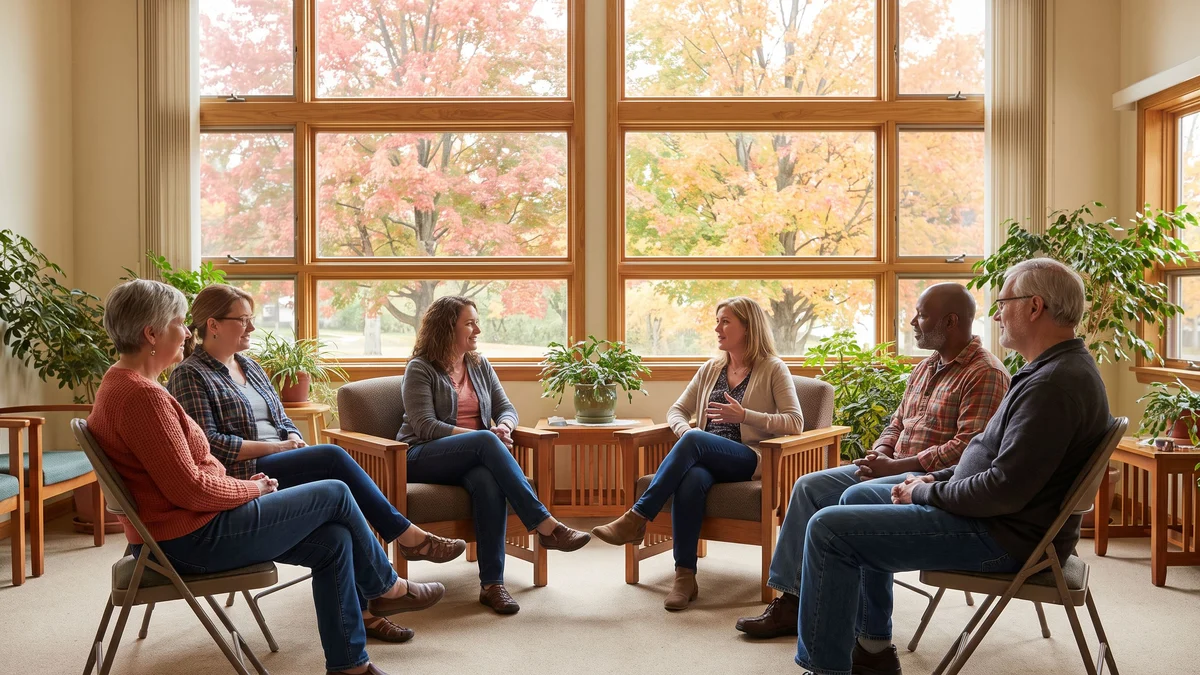
Mutual-help groups can fill the gaps between appointments. Options include 12-step and SMART Recovery meetings, and many people use more than one. You can also look at peer support services and aftercare programs listed on this site. If a return to use shows that you need more structure, our guide on how to choose a rehab program in Wisconsin can help you decide what to ask.

How can family and friends help without blaming?
Loved ones can make a big difference by staying calm, asking what support would help and keeping the focus on safety. The state suggests making clear that their safety is your main priority and offering to help them get naloxone.4 Avoid lecturing or labeling. The TIP 35 guidance advises against the expert and labeling traps and against the urge to lecture, blame or judge when someone returns to use.2
Family members also need support of their own. Taking care of your sleep, stress and boundaries is part of helping.
Frequently asked questions
Sources
- Treatment of chronic diseases involves changing deeply rooted behaviors, and relapse doesn’t mean treatment has failed.
- A return to substance use after a period of abstinence does not mean a client has failed or is no longer in recovery.
- Temporary returns to use after periods of abstinence are part of many recovery journeys.
- Naloxone is a medication that can reverse an overdose caused by an opioid drug like fentanyl, heroin, or prescription pain medications. When given during an overdose, naloxone blocks the effects of opioids on the brain and quickly restores breathing.