
Recovery Capital: The Resources That Help People Stay in Recovery
What recovery capital means, what research shows about how it supports lasting recovery, and how people in Wisconsin can build it through peer support, housing, work and community.
Angela Robinson
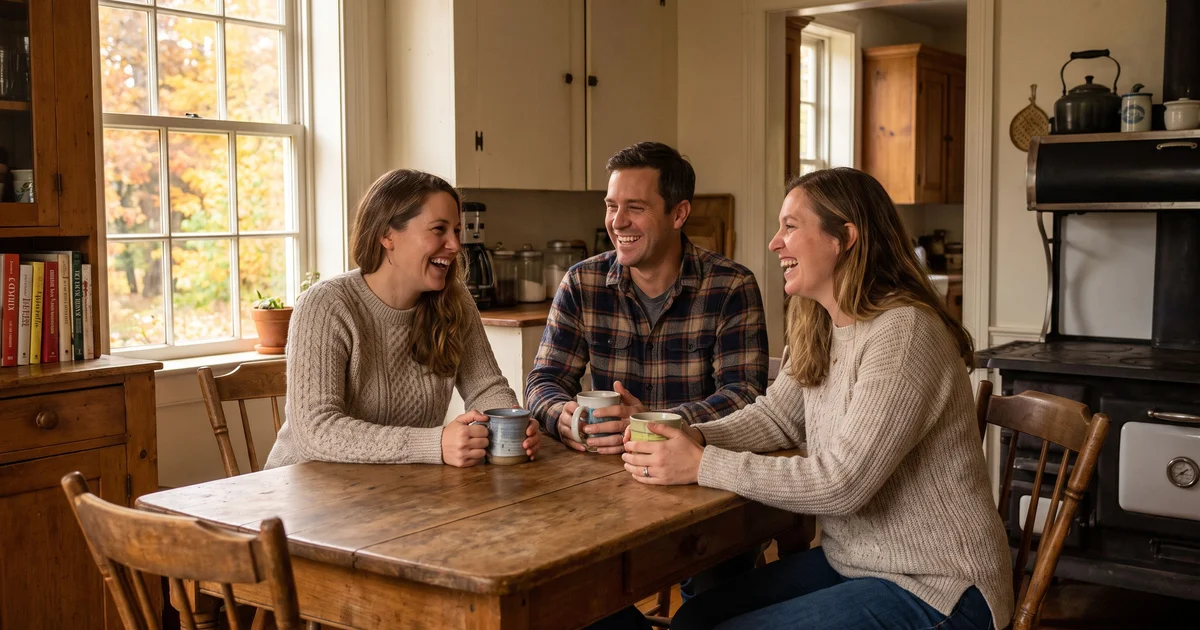
Recovery capital is the set of personal, social and community resources a person can draw on to start and keep recovery from a substance use disorder, such as health, skills, supportive relationships, a stable home and connection to their community. The idea helps explain why two people with the same diagnosis can have very different experiences in recovery, and it points to practical things anyone can build over time.
This article explains what recovery capital means, what the research says about it, and how people in Wisconsin can add to it, whether they are just leaving treatment or are years into recovery. It is general information, not medical advice, and it does not describe any one person. If you are in crisis, call or text 988. For free, confidential treatment referrals at any hour, call the SAMHSA National Helpline at 1-800-662-4357.
What does recovery capital mean?
Researchers describe recovery capital as the personal, social and community resources that are the basis for personal recovery, and as the resources and capacities that enable growth and human flourishing.1 In plain terms, it is everything in a person's life that makes staying well easier.
The idea is often split into domains. One widely used questionnaire, the Multidimensional Inventory of Recovery Capital, measures four of them: social, physical, human and cultural capital. It also counts obstacles, sometimes called negative recovery capital, that work against recovery.2
| Type of recovery capital | What it includes | Everyday examples |
|---|---|---|
| Physical | Material resources and a safe place to live | Stable housing, reliable transportation, enough income to cover basics |
| Human | Personal health, skills and outlook | Physical and mental health, education, job skills, coping skills, hope |
| Social | Relationships that support recovery | Family who backs the plan, friends who do not use, a sponsor or peer mentor |
| Cultural and community | Values, identity and local resources | Faith or cultural communities, mutual-help groups, recovery centers, peer services |
Nobody starts with every box filled. The point is to notice which areas are strong and which need attention.
Does recovery capital actually make a difference?
Research suggests it does. A study of adults who had resolved a prior alcohol problem found that each standard deviation increase in total recovery capital score was linked to 61% greater odds of meeting the National Institute on Alcohol Abuse and Alcoholism (NIAAA) definition of recovery.2 The authors note the survey was a snapshot in time, so it shows a link rather than proof that one causes the other.2
A separate 2018 study of a nationally representative sample of US adults who had resolved an alcohol or other drug problem found that recovery capital rose with time in recovery, with the steepest gains in the first several years.3 In other words, recovery capital tends to grow as recovery grows, and each one supports the other. Our article on life years after treatment covers those long-term changes in more detail.
The same 2018 study found that self-esteem and happiness can dip during the first year before improving.3 Building resources early, even small ones, gives a person more to lean on during that harder stretch. Our guide to the stages and milestones of recovery explains what that first year often looks like.
Why does treatment focus on more than substance use?
The National Institute on Drug Abuse (NIDA) explains that addiction can disrupt a person's health and how they function in family life, at work and in the community. Because addiction can affect so many parts of life, NIDA says treatment should address the needs of the whole person to be successful.4
That is recovery capital in practice. Good treatment plans look at housing, work, family relationships, physical health and mental health, not only at stopping alcohol or drug use. Our page on family therapy lists providers that help rebuild relationships at home, which is often one of the first areas people work on.
Housing is another area where a gap can undo progress. Our housing assistance page lists providers that help people find a stable place to live during and after treatment.
How does Wisconsin help people build recovery capital?
Peer support is one of the main ways Wisconsin adds to social and community recovery capital. The Wisconsin Department of Health Services (DHS) explains that peer recovery coaches have lived through mental health and substance use challenges, and that their work is informed by that experience and by training in how to support others.5 DHS also notes that peer recovery support services may be provided in outpatient, residential and inpatient settings, including crisis services and overdose treatment programs.5
Wisconsin Medicaid now pays for this support. Under ForwardHealth Update 2026-05, ForwardHealth covers peer recovery support services for dates of service on and after April 1, 2026, and members may receive up to 520 hours of these services per calendar year.6 The same update allows these services to be reimbursed for up to 60 consecutive days after a member is discharged from services, which helps carry support past the end of a program.6
If you have BadgerCare Plus or another Wisconsin Medicaid plan, it is worth asking a provider whether peer recovery support is part of your care. Our peer support services page lists providers that offer it, and our Medicaid rehab coverage page explains how state coverage works.
What are practical ways to build recovery capital?
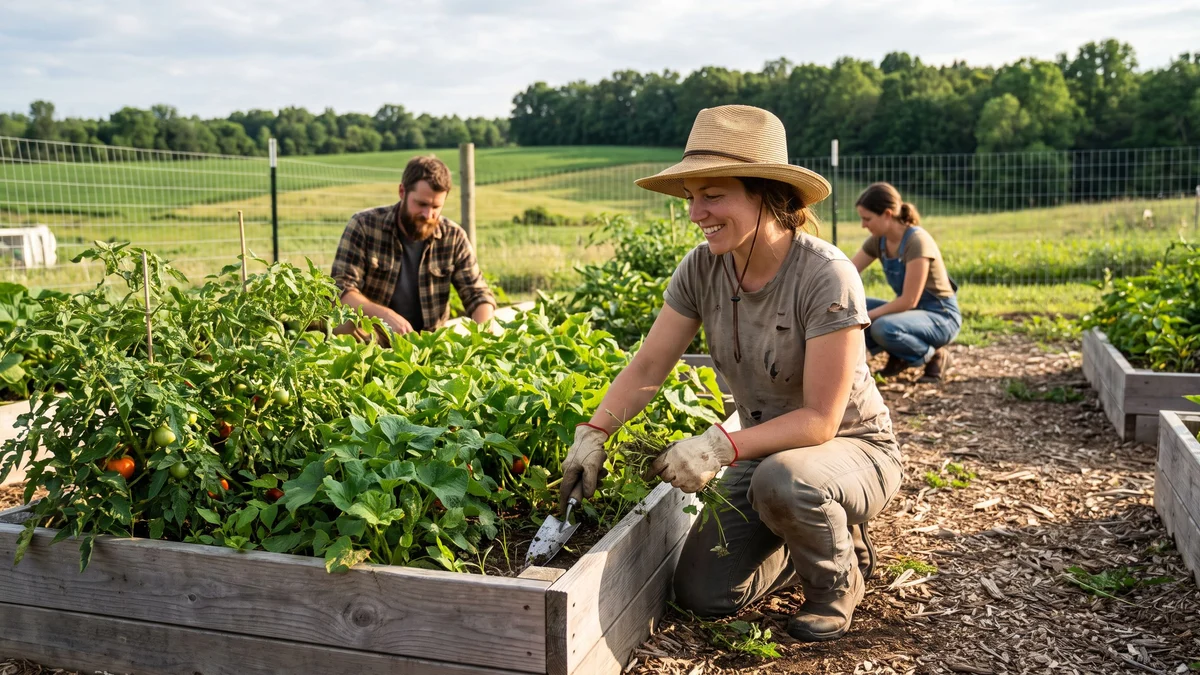
Small, steady steps add up. The list below matches common goals to the type of capital each one builds.
| Step you can take | Type of capital it builds |
|---|---|
| Keep regular medical and mental health appointments | Human |
| Learn a job skill, finish a course or return to work | Human and physical |
| Spend time each week with people who support your recovery | Social |
| Join a mutual-help group, alumni network or peer recovery center | Social and community |
| Move into stable housing, including recovery housing if needed | Physical |
| Reconnect with a faith, cultural or volunteer community | Cultural and community |
Friendships are often the hardest area to rebuild, especially if most past social life involved alcohol or drugs. Our page on building a sober social network lists providers that help with that, and our alumni programs page covers providers that keep graduates connected after treatment ends.
How can I take stock of my own recovery capital?
A simple check-in can help you see where to focus next. Ask yourself:
- Do I have a safe, stable place to live for the next few months?
- Who are the people I can call when cravings or stress hit?
- Am I keeping up with my health care, including any prescribed medications?
- Do I have work, school or volunteering that gives my days structure?
- Is there a group or community where I feel I belong?
- What gets in the way of recovery right now, and who could help me with it?
Pick one area that feels weakest and set a small goal there. A counselor, peer recovery coach or recovery housing staff member can help you make a plan. For people who need a supportive place to live while they rebuild, our sober living homes page lists options.
Wherever you are in recovery, help is available. Call or text 988 in a crisis, or call the SAMHSA National Helpline at 1-800-662-4357 for free, confidential referrals at any hour.
Frequently asked questions
Sources
- Recovery-supportive interventions for people with substance use disorders: a scoping review, 2024
- Recovery Capital Is Associated with a Greater Likelihood of NIAAA-Defined Recovery for Adults with Prior Alcohol Problems
- Kelly JF, Greene MC, Bergman BG. Beyond Abstinence: Changes in Indices of Quality of Life with Time in Recovery in a Nationally Representative Sample of US Adults. Alcoholism: Clinical and Experimental Research, 2018
- NIDA, Drugs, Brains, and Behavior: Treatment and Recovery
- Wisconsin DHS, Peer Services
- ForwardHealth Update 2026-05, New Coverage for Peer Recovery Support Services, February 2026