
Long-Term Recovery: What Life Looks Like Years After Treatment
What long-term recovery from a substance use disorder means, what research shows about life several years after treatment, and how people in Wisconsin keep recovery strong over time.
Angela Robinson
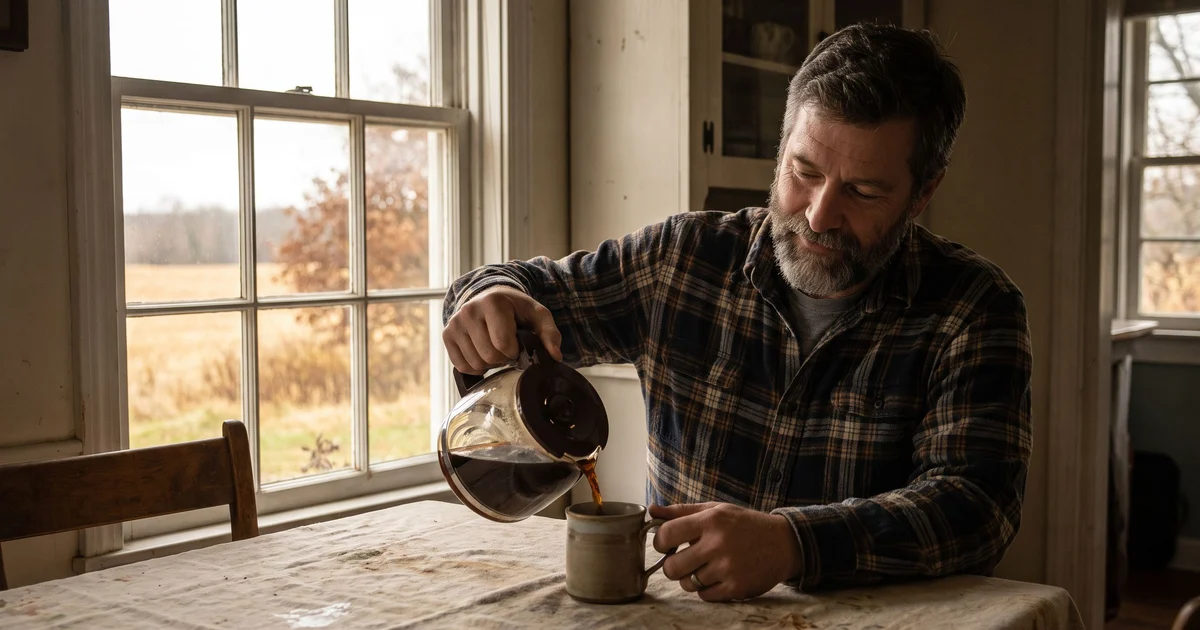
Long-term recovery from a substance use disorder usually means that, after the first year, recovery stops being the center of daily life and becomes the foundation under it: health keeps improving, relationships and work grow steadier, and the skills learned in treatment become habits. Research following people for years after they resolved an alcohol or drug problem shows that wellbeing tends to keep rising long after the early months, even though the pace slows.
This article explains what clinicians mean by long-term recovery, what the research shows about life several years out, and how people in Wisconsin keep recovery strong over time. It is general information, not medical advice, and it does not describe any one person. If you are in crisis, call or text 988. For free, confidential treatment referrals at any hour, call the SAMHSA National Helpline at 1-800-662-4357.
When does recovery count as long-term?
Clinicians use two time markers from the diagnostic manual used across the United States, the DSM-5. Early remission means a period of at least 3 months but less than 12 months without meeting the criteria for a substance use disorder, other than craving. Sustained remission means 12 months or longer without meeting those criteria, again other than craving.1
Craving is left out on purpose. The DSM-5 work group noted that craving can last a long time into remission, so feeling an urge years later does not mean a person has lost their progress.1
| Term | Time frame | What it means in everyday terms |
|---|---|---|
| Early remission | At least 3 months, under 12 months | The symptoms of the disorder have stopped, and new routines are still taking shape |
| Sustained remission | 12 months or longer | A full year or more without the disorder's symptoms, other than craving |
| Long-term recovery | Several years and beyond | Recovery supports a full life in health, home, work and relationships |
Many people keep some light-touch support in place well past that first year. Our aftercare programs page lists providers that offer ongoing check-ins after a main course of treatment ends.
What does the research show about life years into recovery?
A study published in 2018 looked at a nationally representative sample of US adults who had resolved a significant alcohol or other drug problem, and compared their wellbeing by how long ago that happened. Quality of life, happiness, self-esteem and recovery capital rose steeply, and psychological distress fell steeply, during the first 6 years, followed by slower gains after that.2
The same study found that quality of life eventually reached the level reported in the general population, at roughly 15 years of recovery.2 Recovery capital, meaning the personal, social and community resources that help someone stay well, built up quickly in the early years.2
The research also shows the first year is not always a smooth climb. In that study, happiness and self-esteem dipped early, with self-esteem stabilizing and slowly rising after about 12 months.2 Knowing this ahead of time helps: a hard stretch early on is common and is not a sign that recovery is not working. Our earlier article on the stages and milestones of recovery covers that first year in more detail.
Which areas of life tend to change over the years?
Long-term recovery usually shows up in ordinary, practical ways. The table below describes common areas of growth. It is a general picture, not a timeline every person follows.
| Area | What often changes with time | Support that can help |
|---|---|---|
| Health | Better sleep, energy and management of other health conditions | Regular primary care and mental health follow-up |
| Work and purpose | Steadier employment, school or volunteering | Vocational and career services |
| Relationships | Rebuilt trust with family, new friendships outside of use | Family therapy, peer groups, alumni networks |
| Home | Stable housing and daily routines | Recovery housing during the transition |
| Giving back | Mentoring or supporting people newer to recovery | Peer specialist training, mutual-help service roles |
Work is often one of the biggest changes. Our vocational services page lists providers that help with job skills, and our guide to returning to work after rehab explains leave and workplace rights in Wisconsin.
Can relapse still happen after years of recovery?
Yes, and planning for it is part of staying well. The National Institute on Drug Abuse (NIDA) explains that addiction is a chronic condition and that relapse rates for drug use are similar to rates for other chronic medical illnesses. NIDA compares this to conditions such as high blood pressure and asthma, where symptoms can return when a person stops following their care plan.3
NIDA also notes that a return to use is a signal to speak with a doctor about resuming treatment, modifying it or trying another approach, not a sign that treatment has failed.3 Many people in long-term recovery keep a simple written plan that lists their warning signs and who to call. Our relapse prevention therapy page lists providers that teach these skills, and our chronic relapse programs page covers options for people who have returned to use more than once.
Where can people in Wisconsin find support years after treatment?
Wisconsin offers recovery support that does not depend on being in formal treatment. The Wisconsin Department of Health Services (DHS) lists peer recovery centers around the state. Each is managed by a group of people with lived experience of mental health recovery, no appointment is necessary, and there is no cost to visit.4
For people who need a stable place to live during a transition, DHS describes recovery residences as home-like, residential environments that promote healthy recovery from a substance use disorder, and keeps a registry of residences that have registered with the state.5 Asking whether a home is on that registry is a sensible first question. You can compare options on our sober living homes page.
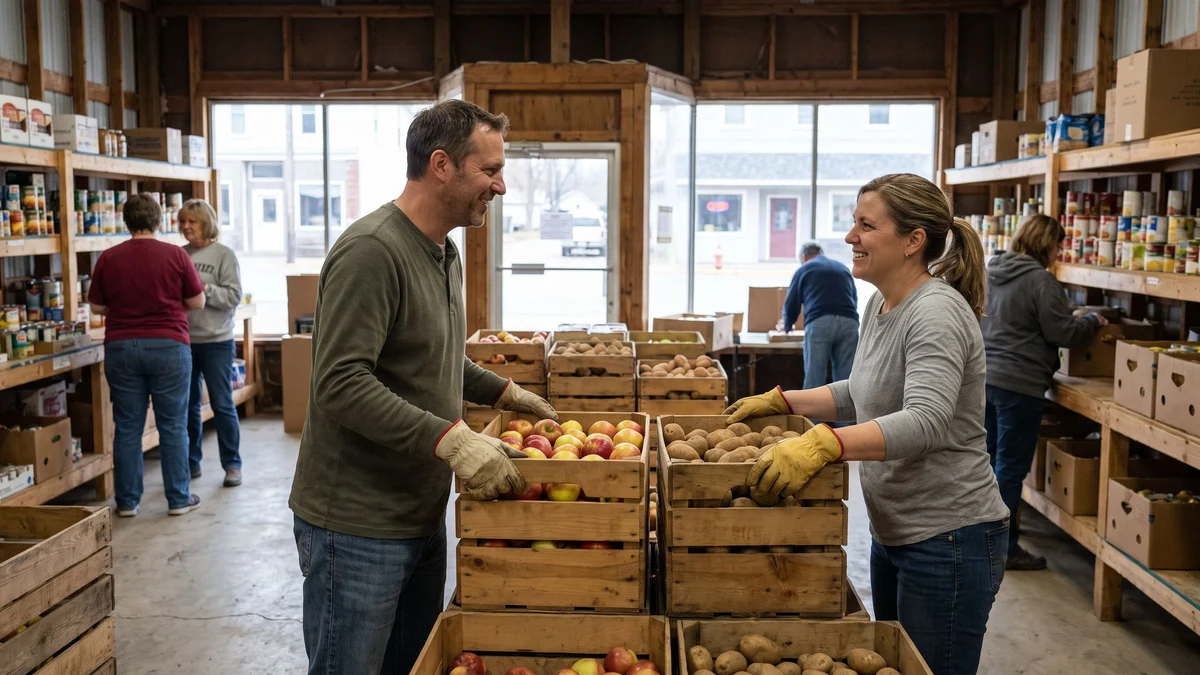
Peer connection tends to matter more, not less, over time. Our page on peer support services lists providers that keep people connected long after discharge, including through alumni groups.

What habits help keep recovery strong over time?
People who stay well for years often describe recovery as something they keep practicing rather than something they finished. Common habits include:
- Keeping regular contact with at least a few people who support their recovery
- Staying connected to a mutual-help group, a peer community or an alumni network
- Keeping up medical and mental health care, including any prescribed medications
- Noticing early warning signs such as poor sleep, isolation or high stress, and acting on them
- Building interests, hobbies and friendships that have nothing to do with alcohol or drugs
- Helping someone newer to recovery, which many people find strengthens their own
Friendships outside of past use are one of the most protective steps a person can take. Our page on building a sober social network lists providers that help with that.
Wherever you are in the process, help is available. Call or text 988 in a crisis, or call the SAMHSA National Helpline at 1-800-662-4357 for free, confidential referrals at any hour.
Frequently asked questions
Sources
- Hasin DS, et al. DSM-5 Criteria for Substance Use Disorders: Recommendations and Rationale. American Journal of Psychiatry, 2013
- Kelly JF, Greene MC, Bergman BG. Beyond Abstinence: Changes in Indices of Quality of Life with Time in Recovery in a Nationally Representative Sample of US Adults. Alcoholism: Clinical and Experimental Research, 2018
- NIDA, Drugs, Brains, and Behavior: Treatment and Recovery
- Wisconsin DHS, Peer Recovery Centers
- Wisconsin DHS, Recovery Residence Registry