
Does Addiction Treatment Work? What the Research Shows
What research says about whether addiction treatment works, which approaches have the strongest evidence, why follow-up care matters, and what a Wisconsin study found.
Angela Robinson
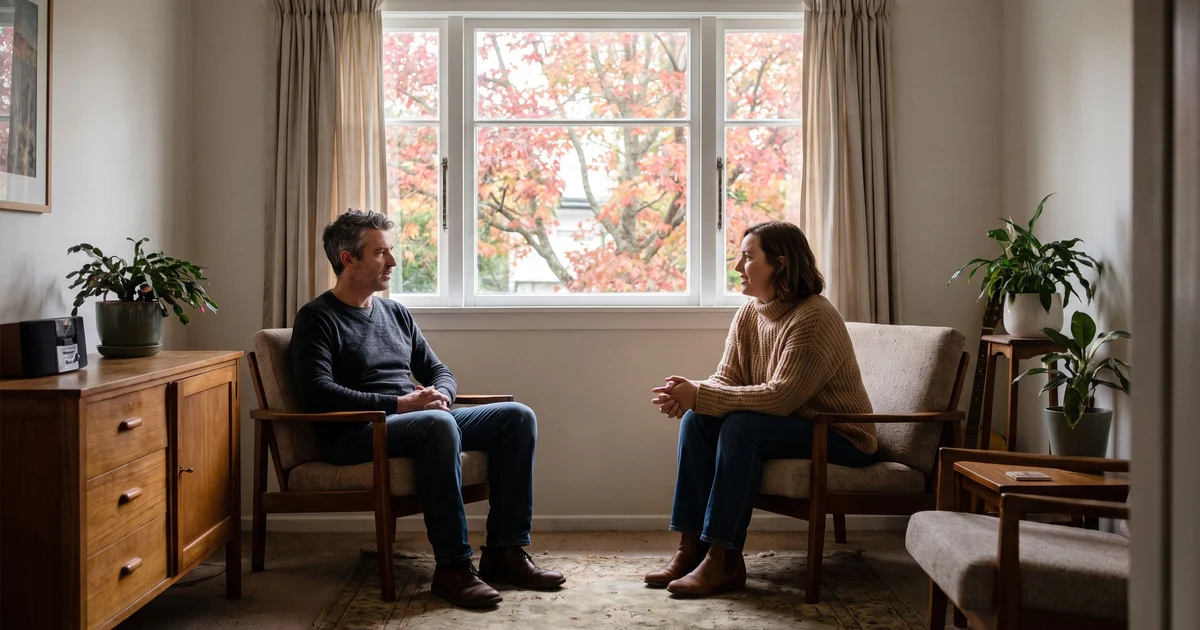
Yes. Research shows that addiction treatment works when it is matched to the person, lasts long enough and continues after the first program ends, much like care for other long-term health conditions. Treatment is not a one-time cure, and a return to use does not mean it failed. It means the plan may need to change.
This guide explains what the research actually measures, which approaches have the strongest evidence, why follow-up care matters, and what a study from Wisconsin found about recovery support after residential care. It is general information, not medical advice. If you are in crisis, call or text 988. For free, confidential treatment referrals at any hour, call SAMHSA at 1-800-662-4357.
What does it mean for treatment to work?
Many people judge rehab by one question: did the person ever use again? Researchers use a wider lens. The National Institute on Drug Abuse (NIDA) explains that, like treatment for heart disease or asthma, addiction treatment is not a cure but a way of managing the condition, and it helps people regain control of their lives.1
NIDA also points out that relapse rates for drug use are similar to rates for other chronic medical illnesses, and that people who stop following their treatment plan are likely to relapse. A return to use is a signal to resume treatment or adjust it, not proof that treatment cannot help.
That is why studies track several outcomes at once:
- Days of abstinence or reduced use over months, not just the first weeks
- Overdose, hospital visits and other health problems
- How quickly a person returns to care after a setback
- Work, housing, family life and legal problems
Programs that build their care around these measured approaches are listed on our evidence-based treatment page.
Which treatments have the strongest evidence?
The research is strongest for a few approaches, and the best results usually come from combining them. For opioid use disorder, medication has the clearest evidence. NIDA reports that FDA-approved medications such as methadone, buprenorphine and naltrexone reduce the risk of overdose deaths, yet fewer than 1 in 5 people with opioid use disorder are treated with them.2
In Wisconsin, the Department of Health Services notes that methadone is taken at a certified opioid treatment program until a person is cleared for at-home doses, while buprenorphine comes as a dissolving tablet, a cheek film or an implant.3 You can compare programs that offer medication on our medication-assisted treatment page.
| Approach | What it involves | Where the evidence is strongest |
|---|---|---|
| Medication for opioid use disorder | Methadone, buprenorphine or naltrexone, often with counseling | Lowering overdose risk and keeping people in care |
| Cognitive behavioral therapy | Learning to spot triggers and change thinking and behavior patterns | Many substances, often combined with other care |
| Contingency management | Small, immediate rewards for meeting goals such as negative drug tests | Stimulants and other substances |
| Ongoing check-ins and continuing care | Regular follow-up after a program ends, with quick re-entry if needed | Long-term outcomes after the first episode of care |
Programs that use reward-based approaches are on our contingency management page.
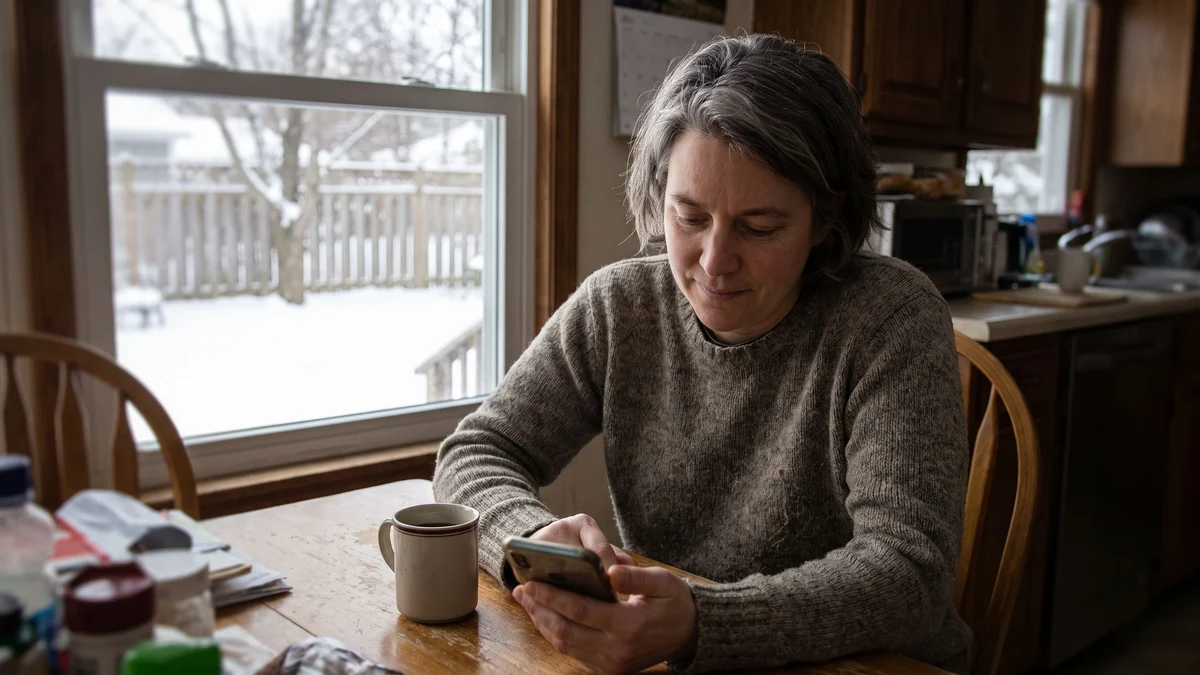
Why does follow-up care matter so much?
Addiction care has often been organized as a single episode: an assessment, a program and a discharge. Research suggests that is not enough on its own. In a four-year randomized trial, adults who received quarterly Recovery Management Checkups returned to treatment sooner and more often when they needed it, and went on to have more total days of abstinence and fewer substance-related problems than people in the comparison group.4
The lesson is practical. Planning for what happens after discharge is part of treatment, not an extra. Our aftercare page lists programs that offer continuing support, and if a setback has already happened, the chronic relapse page covers programs that work with repeated returns to use.
How can you use this research when choosing care?
You do not need to read studies to benefit from them. A few questions turn the evidence into a checklist:
- Does the program assess your needs and match the level of care to them?
- Does it offer or work with medication for opioid or alcohol use disorder?
- Which therapies does it use, and are they ones with research behind them?
- What happens after discharge, and how do you get back in if you need to?
- How does it measure progress, and will it change the plan if something is not working?
For more questions to ask, see our guide on how to choose a rehab program. If you or someone you love has had a slip, this plan for getting back on track explains next steps.
Frequently asked questions
Sources
- NIDA, Drugs, Brains, and Behavior: Treatment and Recovery
- NIDA, Medications for Opioid Use Disorder
- Wisconsin Department of Health Services, Opioids: Treatment and Recovery
- Dennis and Scott, Four-Year Outcomes From the Early Re-Intervention Experiment Using Recovery Management Checkups, Drug and Alcohol Dependence, 2012