
What to Bring to Rehab: A Wisconsin Packing Checklist
A practical packing list for a treatment stay, what to leave home, and the rights Wisconsin law gives you around clothing, phone calls, storage and visitors.
Angela Robinson

Pack comfortable clothes for about a week, your photo ID and insurance card, a list of your medications, and a few personal comforts, then ask your program for its own list before you go. Every program sets its own rules about what is allowed, so the short checklist below is a starting point, not a replacement for the list your admissions team sends.
Packing for treatment feels heavy because it is about more than luggage. Good preparation lowers stress on the first day and lets you focus on the work ahead. This guide covers what to bring, what to leave home, and the rights Wisconsin law gives people who are staying in a treatment program.
What should you pack for a residential stay?
Start with the practical items that keep your admission smooth. A program will usually ask for these on arrival, and having them ready avoids delays on a day that is already emotional.
| Category | What to bring | Why it helps |
|---|---|---|
| Paperwork | Photo ID, insurance card, a list of current medications and doctors | Speeds intake and benefit checks (see insurance verification) |
| Clothing | Layers, sleepwear, comfortable shoes, a coat for the season | Wisconsin weather swings, and many programs include time outdoors |
| Toiletries | Basic hygiene items in the form your program allows | Some programs restrict alcohol-based products, so ask first |
| Comfort | A journal, a book, photos of loved ones, a notebook of phone numbers | Quiet time is part of recovery |
| Medications | Ask before packing any medicine, and bring only what the program approves | Staff need to manage and record every medication |
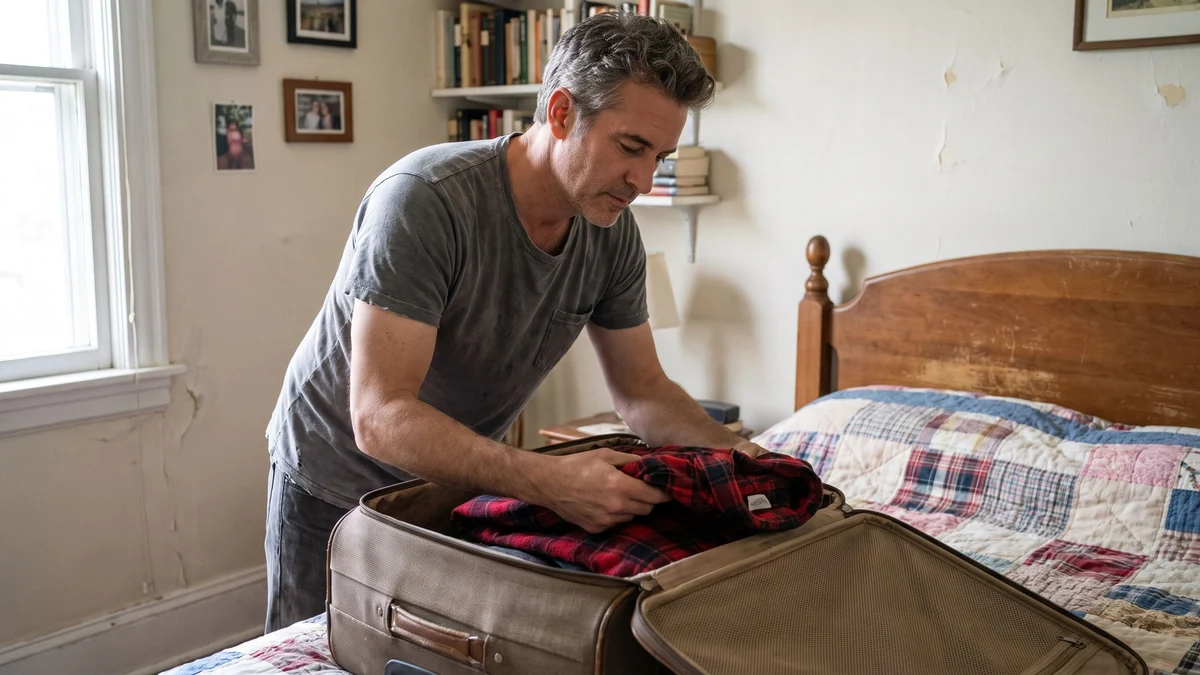
Bring clothing you can wash easily. Wisconsin law says a person in a treatment program has the right to use and wear their own clothing and personal articles, and that provision must be made to launder it.1 The state’s administrative code adds that if a person does not have enough clothing of their own, the facility must furnish appropriate noninstitutional clothing.2
What should you leave at home?
Programs tend to ask you to leave out valuables, large amounts of cash, anything with alcohol in it, and items that could be used to hide or take substances. Do not bring substances of any kind. Expect staff to look through your bag at intake, which protects everyone in the program, including you.
Medications deserve special care. Do not assume it is fine to bring them. Write down every prescription, dose and prescriber, share that list with the program ahead of time, and let the clinical team tell you what to bring. This matters because treatment is built around your full health picture. The Substance Abuse and Mental Health Services Administration notes that the health care professional needs a full picture of the problem to make the best treatment plan for you.3
Can you keep a phone, and where will your things be stored?
Phone rules vary widely, from open access to scheduled use. What is fixed in Wisconsin is the right behind it: a person receiving services must have reasonable access to a telephone to make and receive calls within reasonable limits.1 Whether a personal cell phone is allowed is a program policy, so ask. You can browse programs that describe their cell phone policy on our site.
Storage is also addressed in Wisconsin law. The statute gives people access to a reasonable amount of individual secure storage space for private use,1 and the administrative code says that space must be conveniently accessible, able to hold hanging clothes and lockable or otherwise secured if the person asks.2 If something matters to you, bring less of it and ask about the lock before you leave home.

What will the first day actually involve?
Plan on paperwork, questions and a health review rather than a full day of therapy. Providers commonly use a structured assessment that looks at several areas of your life to decide the level of care that fits. A clinical review describes an assessment that gathers data about each of the six dimensions with the goal of determining the necessary level of care.4 That is why the paperwork you bring matters.
Detox, if you need it, is a first step rather than the whole plan. The National Institute on Drug Abuse states that detoxification alone without subsequent treatment generally leads to resumption of drug use, and that treatment should be tailored to each patient.5 If you are comparing detox programs with residential treatment or outpatient care, you can pack differently for each. A residential stay needs the most.
How do you prepare family, work and home?
Handle the practical side before you leave so nothing pulls your attention away from treatment. Tell your employer only what you want to share, set up bill payments, arrange care for children or pets, and choose one trusted person to hold copies of your paperwork. Staff generally contact your family only with your permission.
Visitors are part of the plan for many people. In Wisconsin, each person staying in a treatment program must be permitted to see visitors each day, and the facility must provide adequate and reasonably private space so that severe time limits need not be set on a visit.2 Ask each program how it schedules visits. Many offer a family program alongside them.
What if something goes wrong with your stay?
Keep a note of the name of your program contact, your admission date and anything you were told about rules. Wisconsin’s client rights grievance process is open to anyone in the state receiving services for mental health, developmental disabilities or substance use,6 so if a program does not honor a right described above, you have a way to raise it.
If you are not sure where to start, call the SAMHSA National Helpline at 1-800-662-4357 for free, confidential referral information, or call or text 988 if you or someone you love is in crisis. When you are ready to compare options, the residential programs listed on this page are a good next step.
Frequently asked questions
Sources
- Be permitted to use and wear his or her own clothing and personal articles. Provision shall be made to launder the patient’s clothing.
- If inpatients do not have enough of their own clothing, they shall be furnished with appropriate noninstitutional clothing of proper size.
- When you start treatment, be honest with the health care professional about what you’re feeling and thinking. They need to get a full picture of the problem to make the best treatment plan for you.
- Through an ASAM assessment, providers gather data about each of the six dimensions with the goal of determining the necessary level of care for each dimension.
- Detoxification alone without subsequent treatment generally leads to resumption of drug use. Treatment should be tailored to address each patient’s drug use patterns and drug-related medical, mental, and social problems.
- The Wisconsin client rights grievance process is for anyone in the state of Wisconsin who is receiving services for mental health, developmental disabilities, or substance use.