
How to Talk to a Loved One About Addiction Treatment: A Wisconsin Family Guide
How to prepare for the conversation, what to say and avoid, what to do if they say no, and the emergency options Wisconsin law gives families.
Angela Robinson

Start with a calm, private talk where you share what you have noticed, listen more than you speak, and offer one concrete next step toward help. You do not need perfect words. What matters most is that your loved one hears concern instead of blame, and knows you will help when they are ready.
This guide walks through how to prepare, what to say, what to avoid, and what Wisconsin families can do if a person is in danger. It is general information, not medical or legal advice. If someone is in crisis, call or text 988, or call SAMHSA at 1-800-662-4357 at any hour.
Why does a family conversation matter so much?
People rarely seek treatment in isolation. The National Institute on Drug Abuse notes that 1. Your role is not to force a decision. It is to make help feel possible and close at hand.
There is also evidence that families can learn skills that work. A structured approach called Community Reinforcement and Family Training, or CRAFT, coaches family members rather than the person who is using. Researchers reviewing its trials found that 2, compared with control groups. Many counselors who offer family therapy use similar communication methods, so you can ask a program whether it teaches them.

How should you prepare before you talk?
SAMHSA's family conversation guide suggests you 3. Pick a time when your loved one is sober and neither of you is rushed or angry. A few minutes of planning helps you stay steady if the talk gets emotional.
- Write down two or three specific things you have seen, such as missed work or a change in sleep.
- Decide on one next step you can offer, such as a visit to a doctor or a call to a program.
- Look up a few options in advance so you are not searching in the moment. Our guide to choosing a rehab program lists the questions to ask.
- Think about how you will respond if they say no today.
What should you say, and what should you avoid?
SAMHSA's guidance is to 3, then listen without judgment. Short, honest sentences that start with "I" tend to land better than statements about what the other person is doing wrong.
| Try saying | Instead of | Why it helps |
|---|---|---|
| I have been worried about you. Can we talk? | You have a problem and everyone knows it. | Opens a conversation instead of starting a defense |
| I noticed you missed work twice this month. | You are always messing up. | Names a specific fact, not a character flaw |
| I will help you find a program if you want. | Fix this or else. | Offers support and a clear next step |
| I love you, and I cannot keep covering for you. | Do whatever you want. | Pairs care with an honest boundary |
| Who would you feel comfortable talking to? | You have to see someone now. | Respects their choice of where to start |
Avoid labels, lectures and talking while either of you is intoxicated. If your loved one worries about who will find out, it may help to read how rehab confidentiality works in Wisconsin together.
What if they say no?
A first "no" is common, and it is not the end. SAMHSA reminds families that 3. Keep the door open, keep your tone steady, and return to the topic when a natural moment comes, such as after a health scare or a hard week.
The Wisconsin Department of Health Services (DHS) family guide adds practical advice on boundaries: 4. Boundaries are not punishment. They stop the pattern of rescuing that can make it easier to keep using. If that pattern feels familiar, programs that address codependency can help you sort out where support ends and enabling begins.
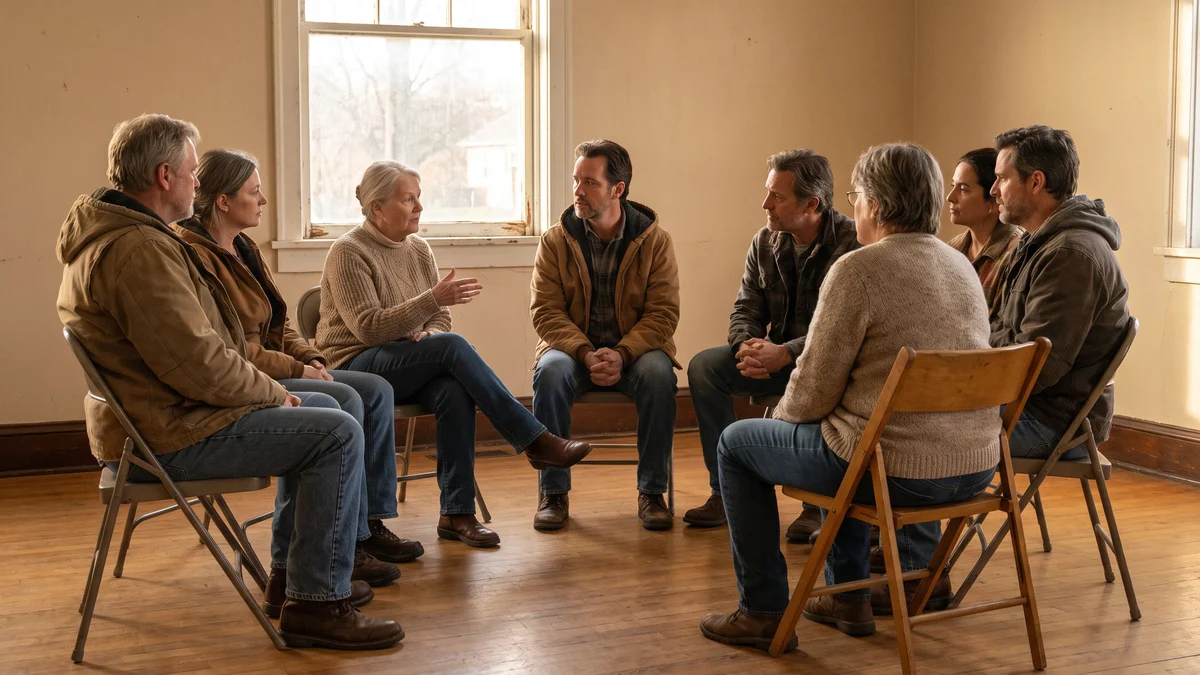
What can Wisconsin families do if a loved one is in danger?
If someone has overdosed, is unresponsive, or is threatening harm, call 911 first. For other emergencies, Wisconsin law gives families a court route. Under section 51.45(12) of the Wisconsin Statutes, 5 a circuit court for emergency treatment. The statute limits this to a person who is intoxicated and has threatened or caused physical harm, or who is incapacitated by alcohol or another drug, and the petition must be backed by sworn statements of the facts.
This is a serious legal step, and it is meant for real danger, not for winning an argument. Talk with the county human services department or an attorney before you file. For most families the better path is a voluntary start, often with medically supervised detox or outpatient care when the person agrees.
How do you take care of yourself along the way?
The DHS guide is direct about limits: 4. You can offer love and a path to help, but recovery belongs to your loved one. Protect your own sleep, health and relationships so you can stay steady for the long run.
Many programs invite relatives into treatment through a family program, and support groups for relatives meet across the state. When your loved one is ready, browse the programs on this site, call a few of them, and ask how they involve families. You can also call SAMHSA at 1-800-662-4357 for free, confidential referrals.
Frequently asked questions
Sources
- Family and friends can play critical roles in motivating individuals with drug problems to enter and stay in treatment
- CRAFT consistently produced better treatment entry of the treatment-resistant IPs, typically after 4 to 6 sessions
- Consider a private setting with limited distractions, such as at home or on a walk
- Be clear with your loved one about what you will and will not accept, and make sure your own mental and physical health are respected
- The physician, spouse, guardian, or a relative of the person sought to be committed, or any other responsible person, may petition